You Are Not a Hero, So Start Smart by Using Cloudflare for Protecting Your Website
For years, I pointed my domain directly to my droplet. I trusted my Nginx configuration to handle everything — rate limiting, fail2ban, optimized rules — you name it. I thought I was safe. I believed I had everything under control.
But recently, I learned the hard way: I wasn’t.
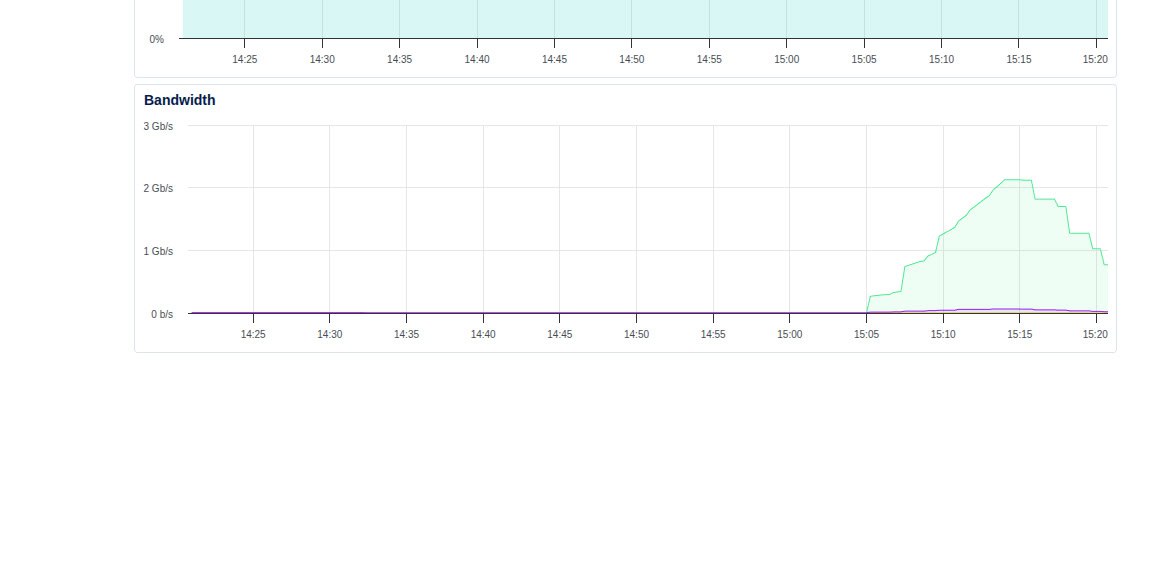
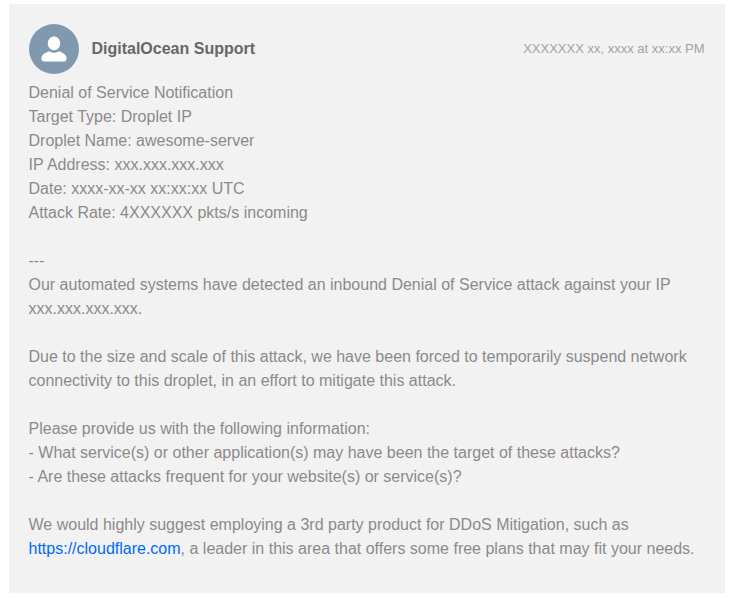
A sudden DDoS attack hit my server. Despite all my configurations, it wasn’t enough. The traffic overwhelmed the system, and DigitalOcean disabled my droplet to protect their network. I couldn’t even access the server to fix anything. Worse, since my DNS was pointing directly to that droplet’s IP, switching to a backup server wasn’t instant — DNS propagation delayed everything.
That downtime could’ve been avoided. If I had used Cloudflare, the attack wouldn’t have reached my droplet. If I had hidden my IP behind a proxy, I wouldn’t have been exposed. That experience made me realize:
It’s not about how strong your config is — it’s about smart architecture.
Don’t wait until you suffer to make the switch. Use Cloudflare. Protect yourself before things break.
🔥 1. You Can’t Switch Servers Quickly
Imagine your droplet crashes, or you want to migrate to a more powerful instance in a different region. If your domain points directly to that droplet’s IP, you’re stuck. You have to update DNS records and wait for global propagation, which can take hours.
With Cloudflare, your domain points to Cloudflare’s IPs, not your droplet. If your backend changes, just update the IP inside Cloudflare. The world sees no disruption. Zero downtime. Smooth migration.
⚠️ 2. You’re Exposing Your Server to Every Threat Out There
Pointing your domain to your droplet = exposing your real IP to the internet.
That means:
- DDoS attacks
- Port scans
- Brute-force login attempts
- Constant traffic from bots
Even if your server is secure, you’re wasting CPU and bandwidth handling garbage requests.
With Cloudflare, all of that gets filtered before it even touches your server. Even the free plan includes powerful protection against common threats and bad bots.
💣 3. Your Cloud Provider Might Shut You Down
I’ve experienced this firsthand.
One of my production systems was hit by a massive DDoS attack. My domain pointed directly to the server's IP. As a result, DigitalOcean disabled the droplet to protect their infrastructure. I scrambled to spin up a new server, but DNS propagation delayed the recovery. The system was down for hours, and it was a nightmare.
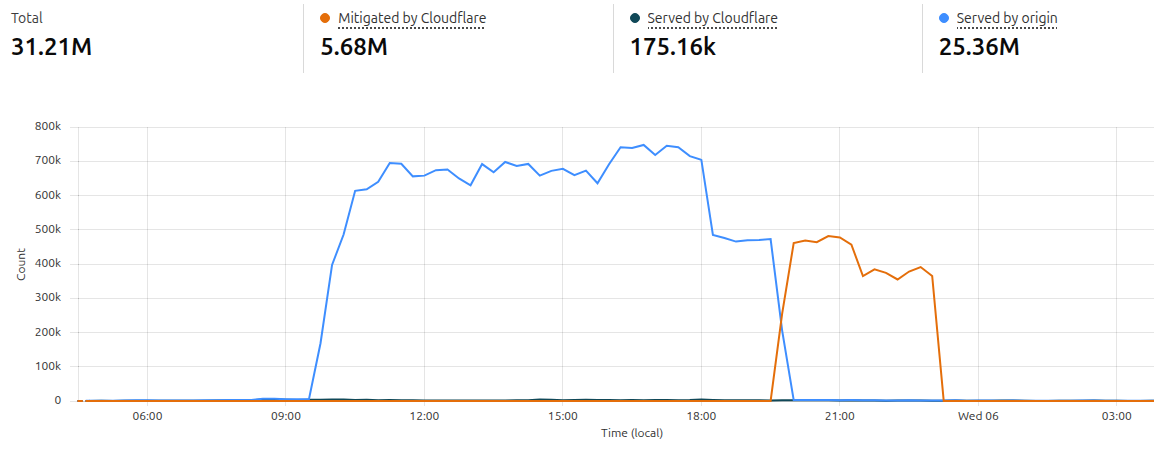
Cloudflare would’ve saved me. By hiding the origin IP and filtering traffic, I could’ve prevented the takedown entirely and kept my service online.
🛡️ Bonus: SSL, Caching, and Privacy — All Free
Cloudflare isn’t just about security. You also get:
✅ Free SSL certificates No more worrying about Let's Encrypt renewals. ✅ Edge caching Faster static asset delivery without touching your server. ✅ Basic analytics Privacy-friendly insights without relying on Google or ad networks.

🚀 Bottom Line: Be Smart, Not Stubborn
No matter how experienced you are with Linux or how perfectly your Nginx is configured — your bare IP should not be on the internet.
You’re not a hero for skipping Cloudflare. You’re just:
- More vulnerable
- More likely to suffer downtime
- More likely to burn out fixing things that could’ve been prevented
Use Cloudflare. Even the free plan gives you what you need. Set it up once — and sleep better every night.