⚡ Before you begin
In today’s fast-paced technology landscape, delivering software quickly is no longer optional — it’s expected. But speed without stability leads to failure. That’s where DevOps comes in.

DevOps is more than a buzzword. It’s a culture, a mindset, and a set of practices that bridge the gap between development (Dev) and operations (Ops) to deliver software faster, safer, and more reliably.
💡 The Problem DevOps Solves
Traditionally, development and operations teams worked separately.
- Developers focused on writing code.
- Operations teams focused on deploying and maintaining infrastructure.

This separation often caused:
- Slow deployments
- Communication gaps
- “It works on my machine” problems
- Blame during production incidents
💡 What DevOps Really Means
At its core, DevOps is about:
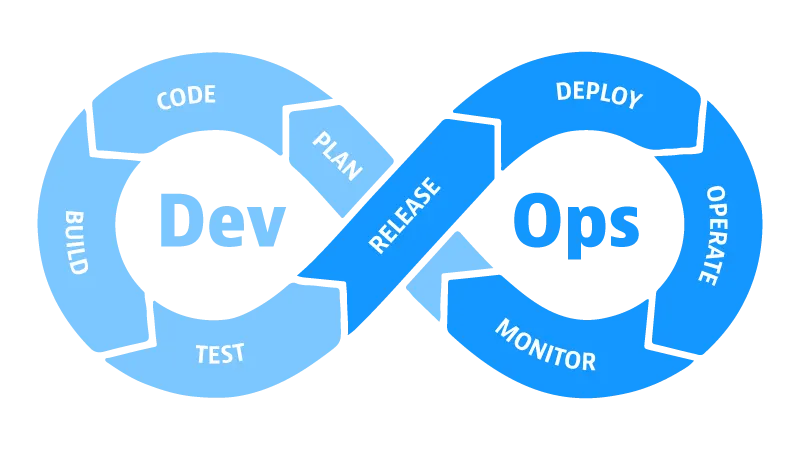
Collaboration + Automation + Continuous Improvement
It encourages developers and operations engineers to work together throughout the entire software lifecycle — from planning and coding to deployment and monitoring.
DevOps is not a single tool or technology. It’s a combination of:
- Culture
- Processes
- Automation
- Monitoring
- Feedback loops
🚀 Common DevOps Tools
Although DevOps is not about tools, tools support the process. Common examples include:
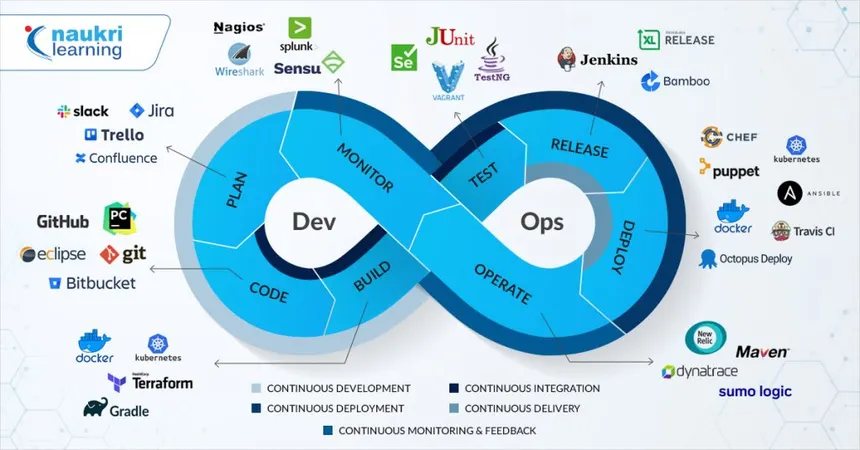
- Version control systems (e.g., Git)
- CI/CD platforms (e.g., Jenkins, GitHub Actions)
- Containerization (e.g., Docker)
- Container orchestration (e.g., Kubernetes)
- Monitoring tools (e.g., Prometheus, Grafana)
The tools may change, but the principles remain.
🌐 Why DevOps Matters?

Organizations adopting DevOps often see:
- Faster time-to-market
- Reduced deployment failures
- Shorter recovery times
- Higher system reliability
- Improved team morale
In competitive markets, this can be the difference between success and failure.
👇 Final Thoughts
💭 DevOps is not just about deploying faster. It’s about creating a culture.